OVERVIEW
Building a Unified Digital Experience Platform Across Whirlpool’s Global Ecosystem
Whirlpool’s digital ecosystem spanned 5 global brands, seven mobile applications, web platforms, retail integrations, and hundreds of connected appliance interfaces. Over time, design and product development evolved independently across teams, creating fragmented workflows, duplicated effort, and inconsistent infrastructure.
As Global Director of User Experience, I led the strategy for building the Whirlpool Design System and modernizing UX operations across the organization. The initiative created a shared foundation for product design and engineering, enabling teams to work from a unified system rather than disconnected files, tools, and local processes.
The transformation consolidated seven mobile applications into a single platform, reduced appliance interface complexity by 77 percent, and enabled teams to prototype new concepts in hours rather than days.
77%
Reduction in hardware interface variants
BUSINESS CONTEXT
Global Product Ecosystem Expanded Faster Than Design Infrastructure
Whirlpool operates one of the largest appliance ecosystems in the world, with products and digital services spanning Asia, Oceania, North America, and South America.
Across the organization:
5 global brands were supported through shared and standalone digital products
7 mobile applications existed across the ecosystem
digital experiences extended across consumer apps, web platforms, and connected appliance interfaces
57 designers worked across the United States, Mexico, India, and Brazil
As connected products and digital services expanded, the existing model became harder to scale. The business needed a unified system to improve consistency, reduce duplication, and support faster delivery across brands and platforms.





LEGACY SYSTEM
Fragmented Design Assets and Duplicate Components Slowed Product Delivery
Before this initiative, design work was spread across style guides, independent files, and localized workflows.
Teams worked through:
multiple file structures and storage locations
limited shared component libraries
duplicated interface patterns
inconsistent documentation
There was also a widespread assumption that Whirlpool already had a design system. In practice, the organization had brand guidelines, but not reusable product infrastructure.
As a result, designers spent 30% of their time locating assets, engineers rebuilt patterns across products, and teams maintained separate applications that were difficult to scale.
The same fragmentation affected connected appliances, where interface designs expanded to 647 hardware variants, increasing engineering complexity and procurement costs.
LEADERSHIP CHALLENGE
Aligning Leaders on the Difference Between Brand Guidelines and Product Infrastructure
The challenge was not simply to improve consistency across screens. The deeper issue was that Whirlpool lacked the shared infrastructure needed to build digital products efficiently across brands, platforms, and connected devices.
As UX leader, I reframed the work from a design standards initiative into a platform and operating model transformation. That meant aligning Marketing, Product, and Engineering around a critical distinction:
brand guidelines define how a brand expresses itself
a design system defines how digital products are built
This shift helped stakeholders see the initiative not as a visual refresh, but as foundational infrastructure for product delivery at scale.
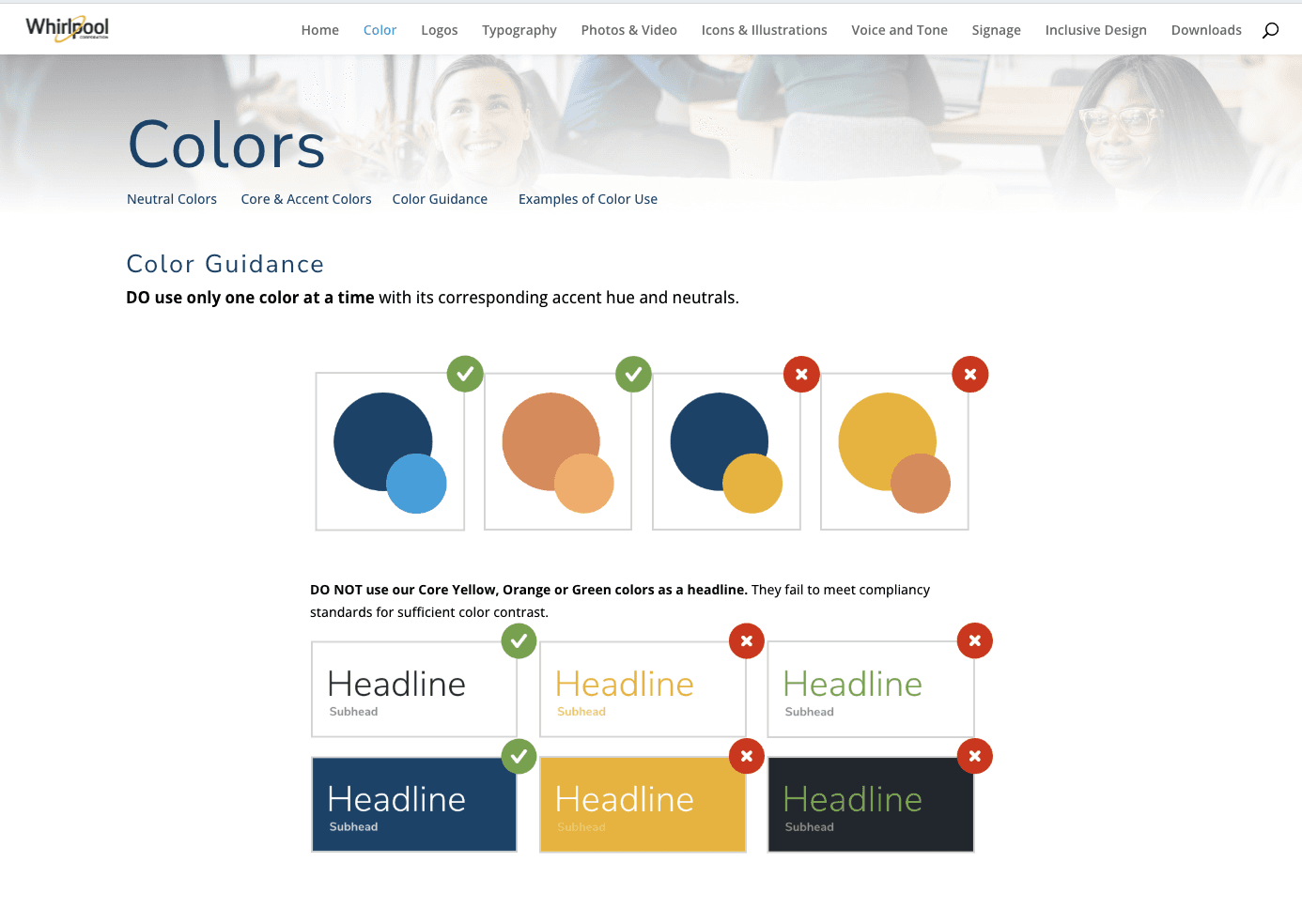
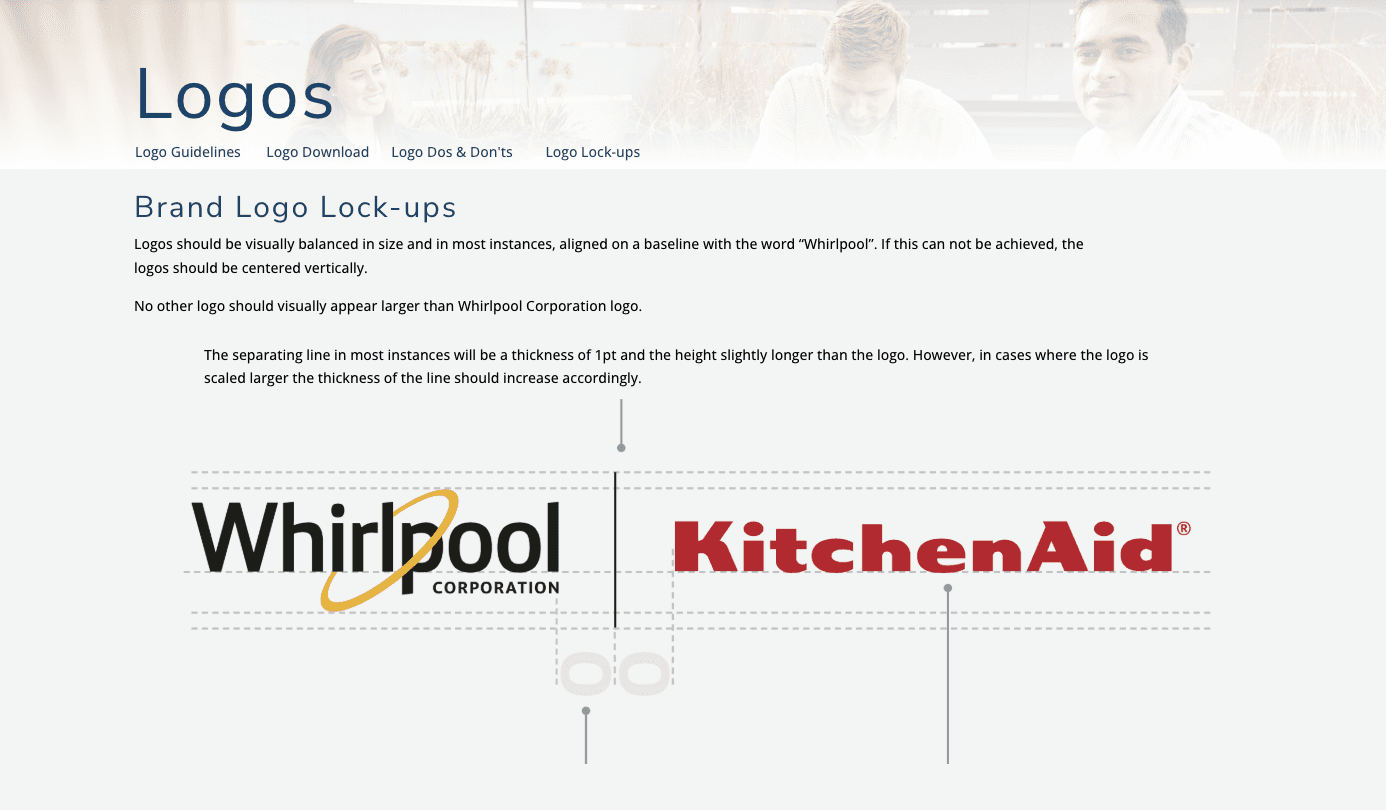
Brand guidelines define how a brand expresses itself
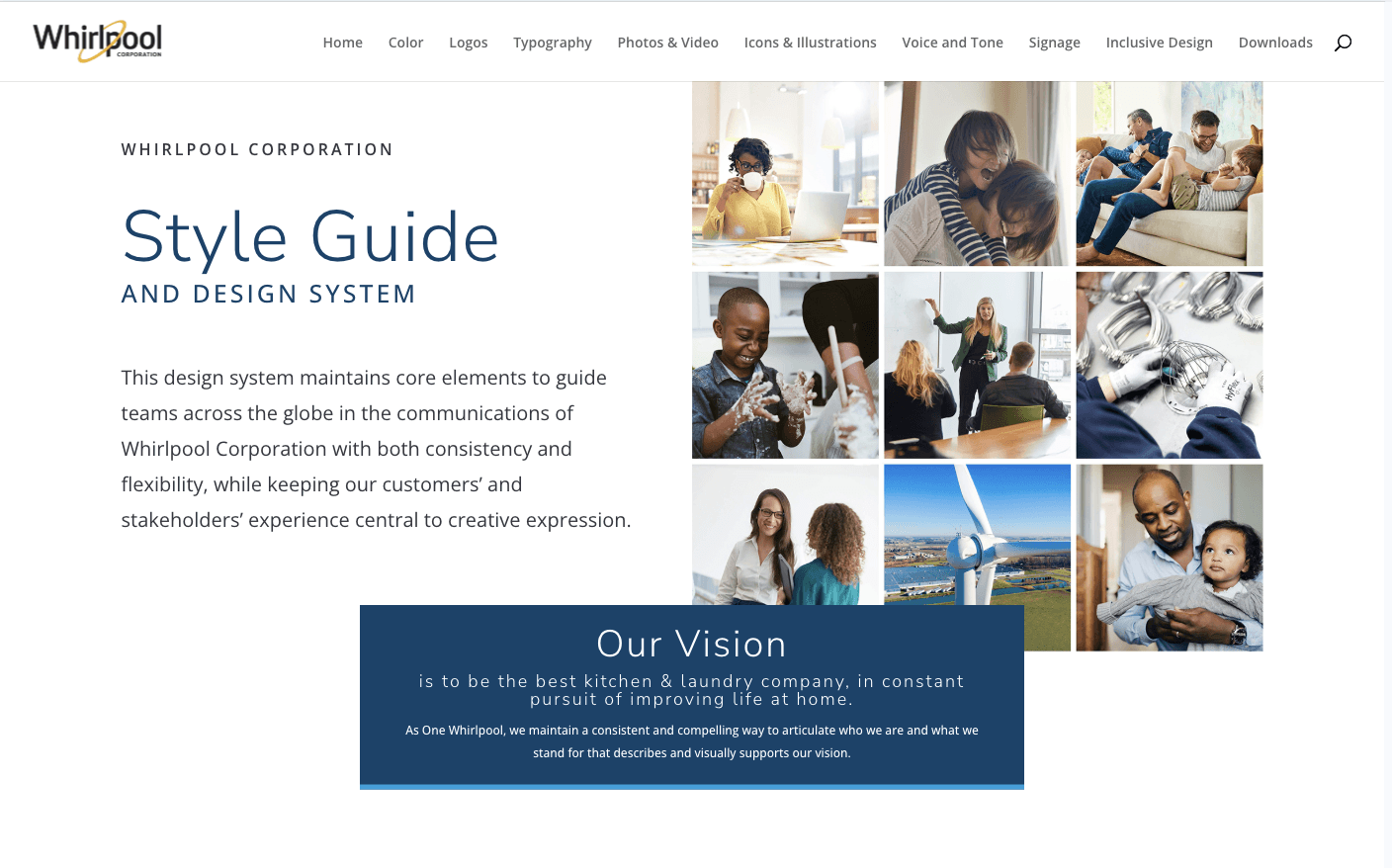
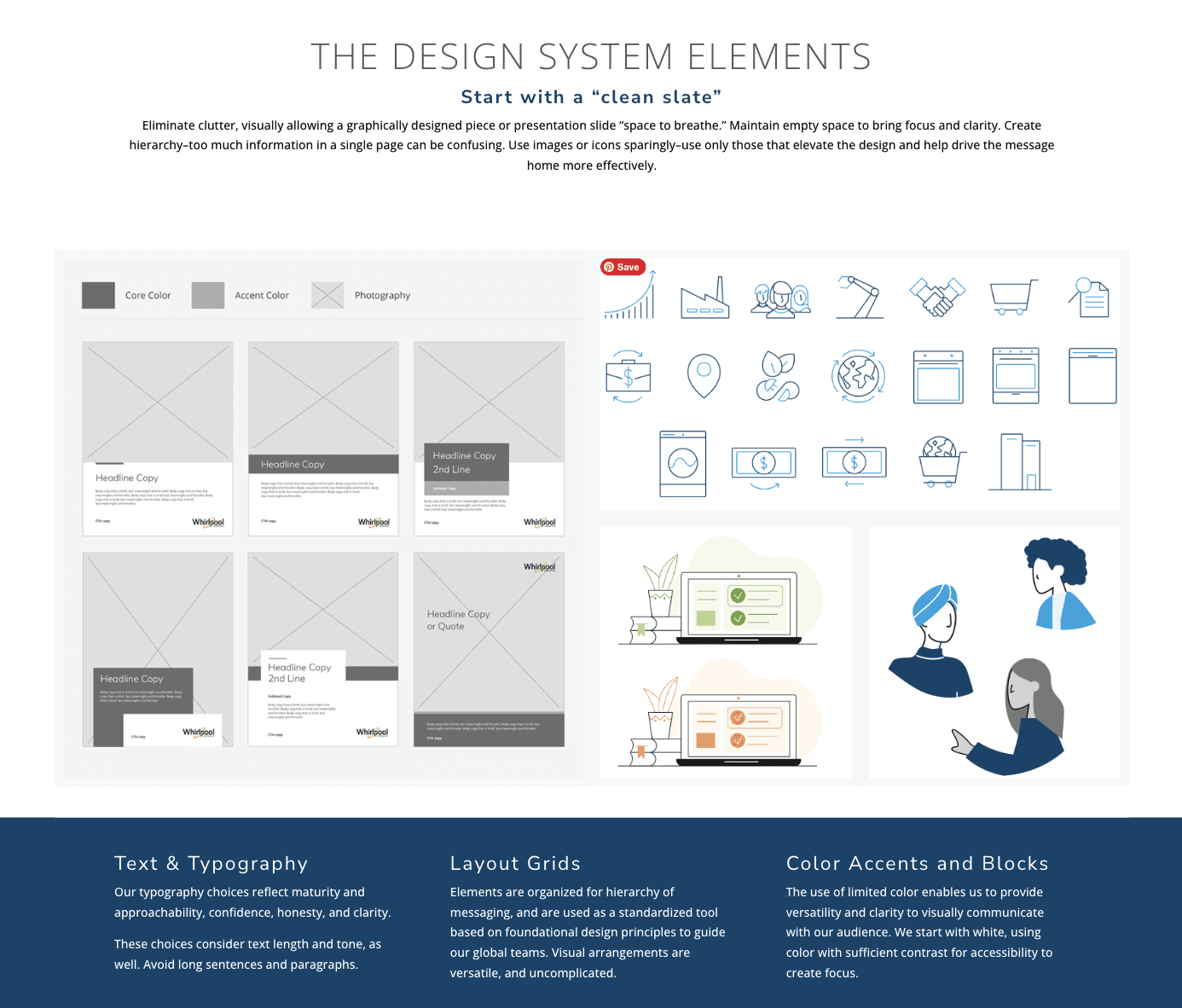
A design system defines how digital products are built
STRATEGY
Establishing the Whirlpool Design System and Advancing Maturity
Rather than continuing to support independent brand workflows, the strategy focused on building a shared design and engineering foundation for Whirlpool’s digital ecosystem.
Key priorities included:
establishing reusable design tokens and component libraries
supporting cross-brand theming within a shared architecture
centralizing documentation and governance
modernizing UX workflows and tooling
enabling a single mobile platform across brands
This approach allowed Whirlpool to preserve brand differentiation while reducing duplicated effort across teams and products.
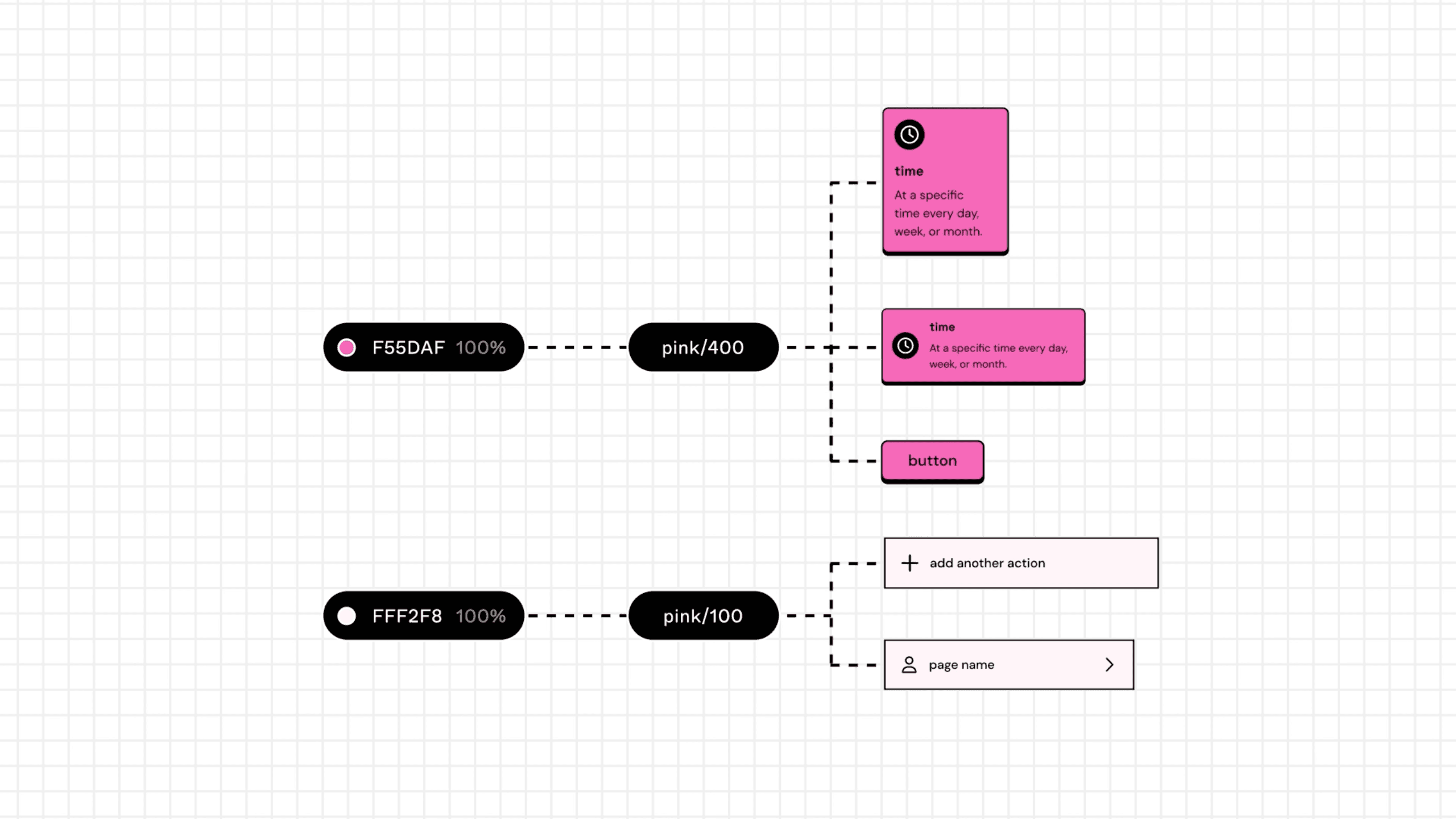
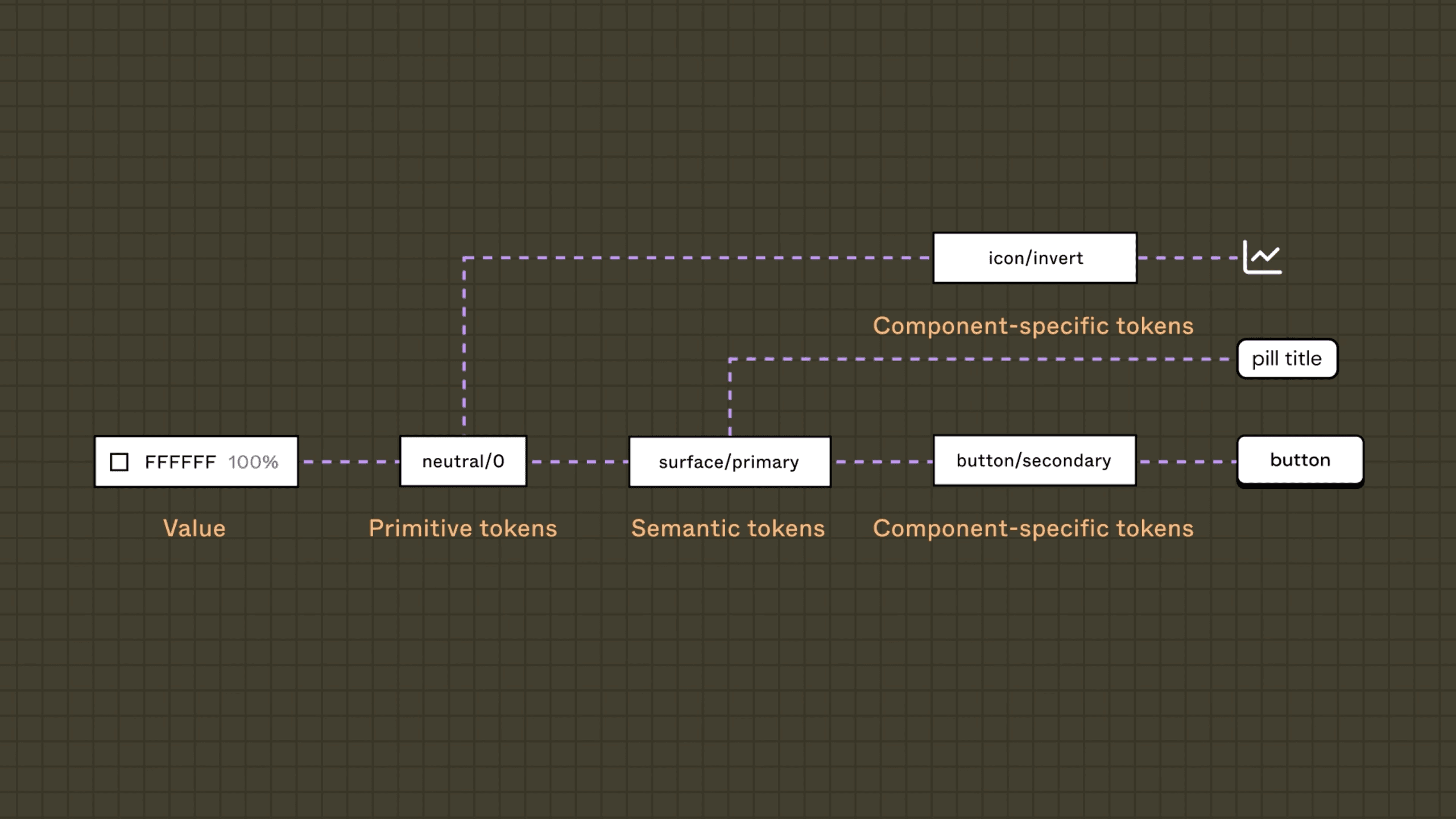
Credit: Figma
KEY FRAMEWORK
Leveraging Design System Foundations and UX Operations to Drive Adoption
To make the transformation successful, the team paired system design with operational change.
The Whirlpool Design System included:
design tokens
reusable components
cross-brand theming
centralized documentation using zeroheight
alignment with engineering implementation
At the same time, the UX organization modernized the way teams worked through:
migration to Figma and centralized libraries
structured file systems and naming conventions
standardized templates
work trackers and priority visibility
closer agile collaboration with product and engineering
Together, these frameworks gave teams a practical foundation for scaling design decisions across products, brands, and markets.
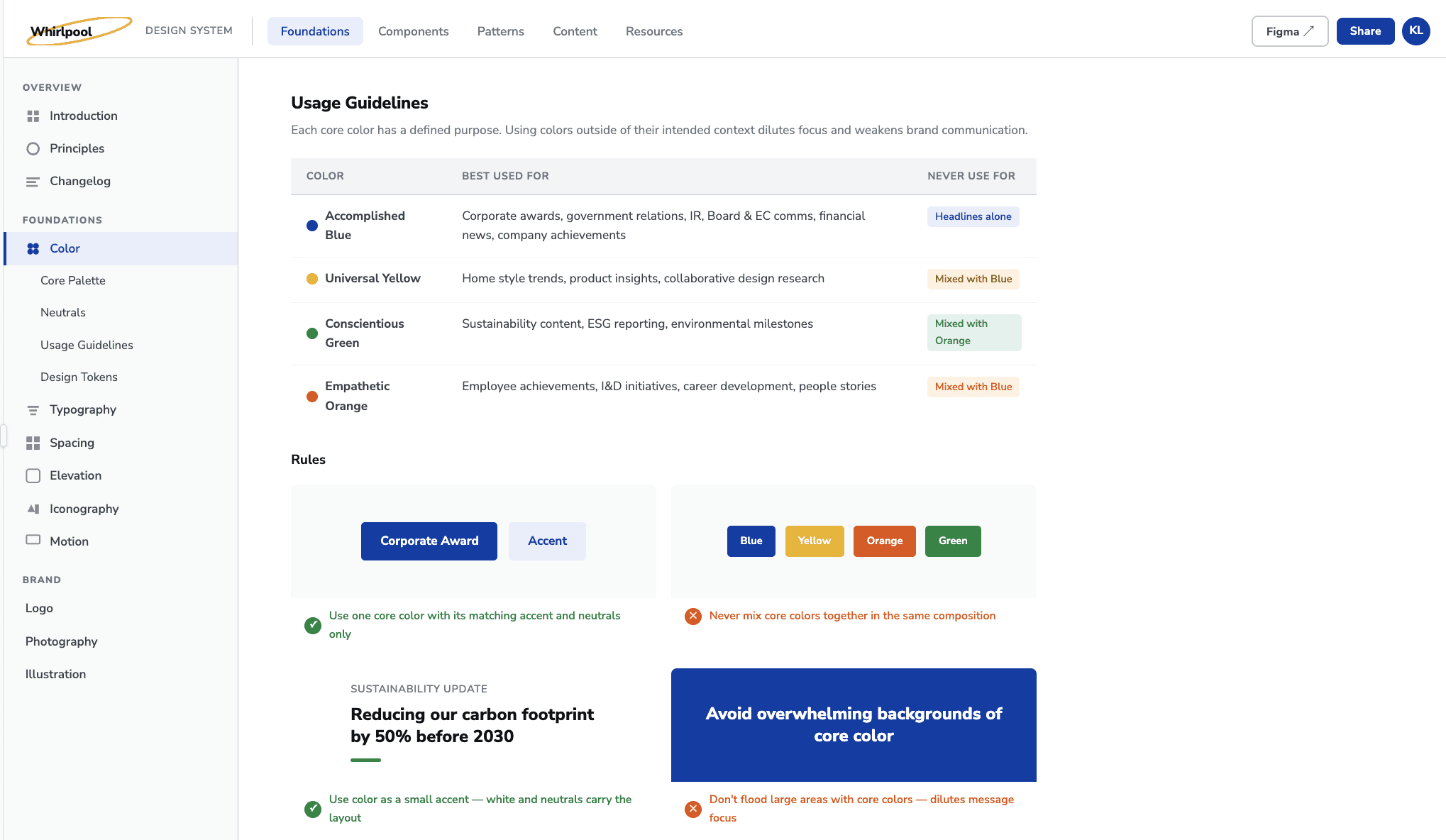
Design documentation in zeroheight
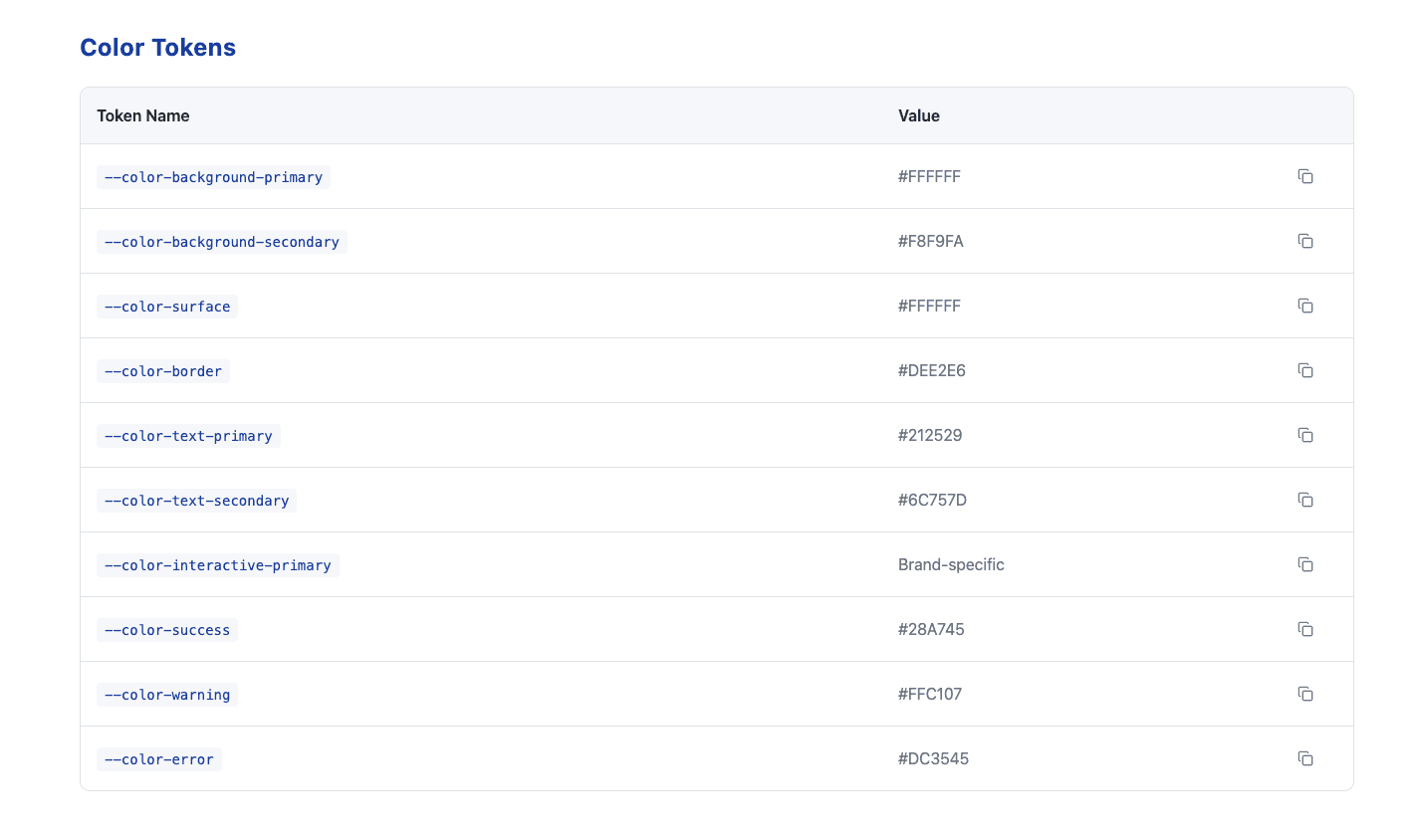
Usage of design tokens
PLATFORM SOLUTION
A Unified Design System Enabled a Single Mobile Codebase Across Brands
The Whirlpool Design System became the foundation for consolidating digital product development across the organization.
One of the most important platform outcomes was moving from multiple standalone mobile applications to a single shared codebase supporting Whirlpool, KitchenAid, JennAir, Maytag, and Amana digital products. Brand differentiation is managed through token-driven theming rather than separate applications.
The system standardized core components, interaction patterns, and documentation across digital products and connected appliance interfaces, reducing duplication in both design and engineering.
Because the system contains structured tokens, components, and design guidance, it also enables artificial intelligence-assisted design workflows.
Using Figma AI capabilities and Gemini agents, teams rapidly generated interface concepts grounded in approved components and brand theming. When product or marketing teams request new features, prototypes can often be created within hours or during live workshops.
This allows teams to evaluate ideas earlier, make decisions faster, and reduce design debt and rework.
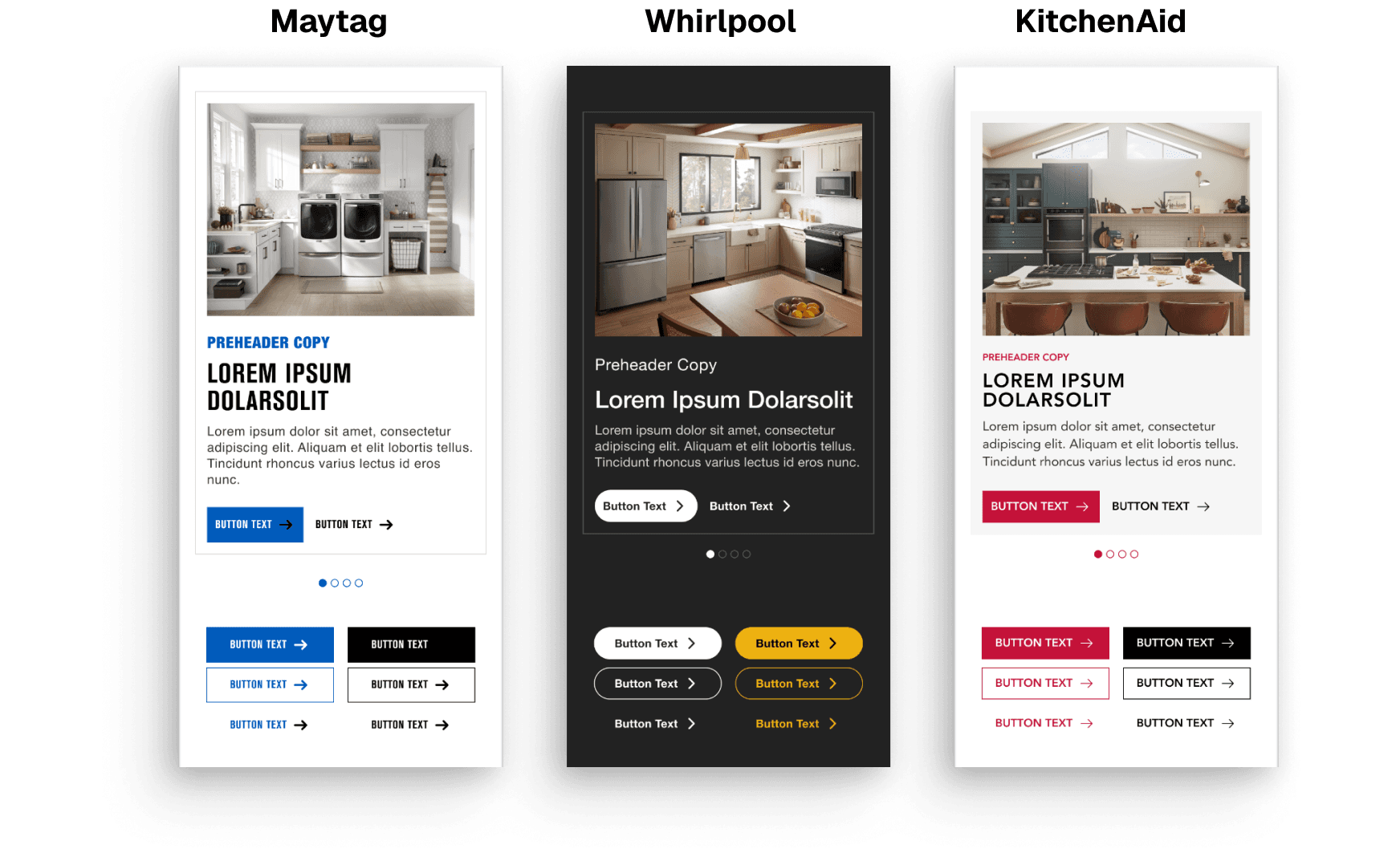
Establishing a single codebase across brands
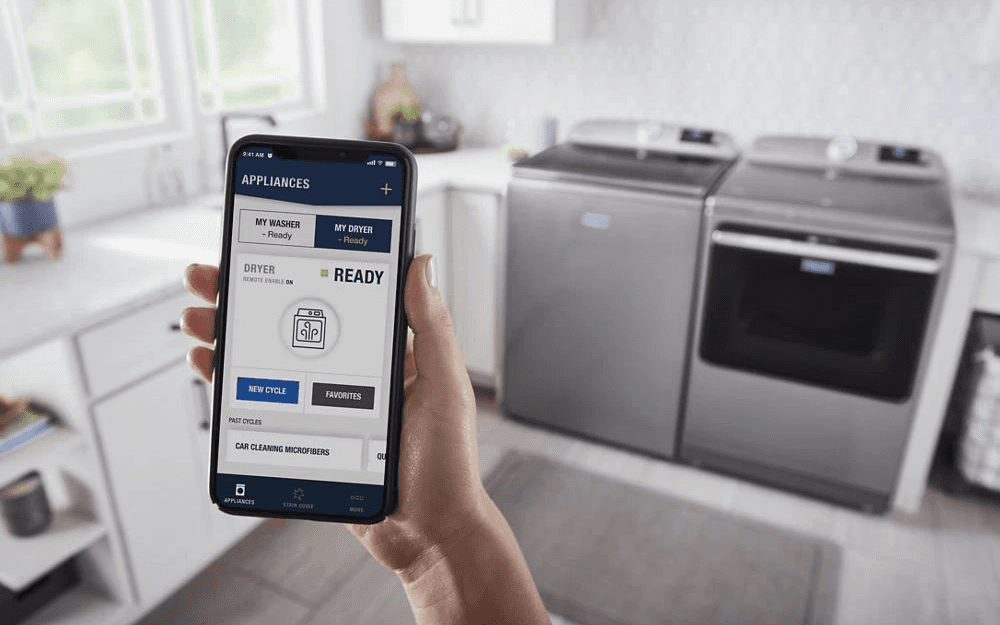
Maytag App
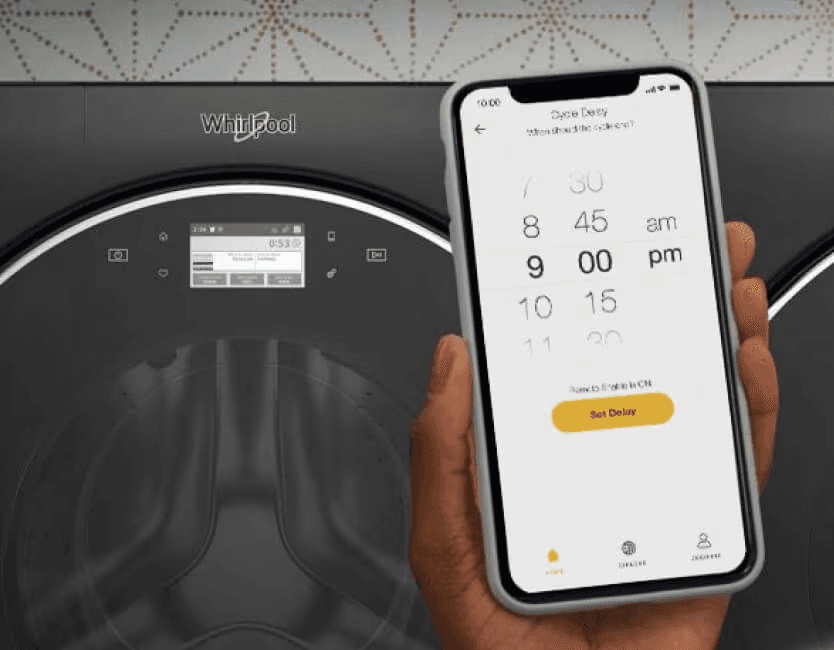
Whirlpool App
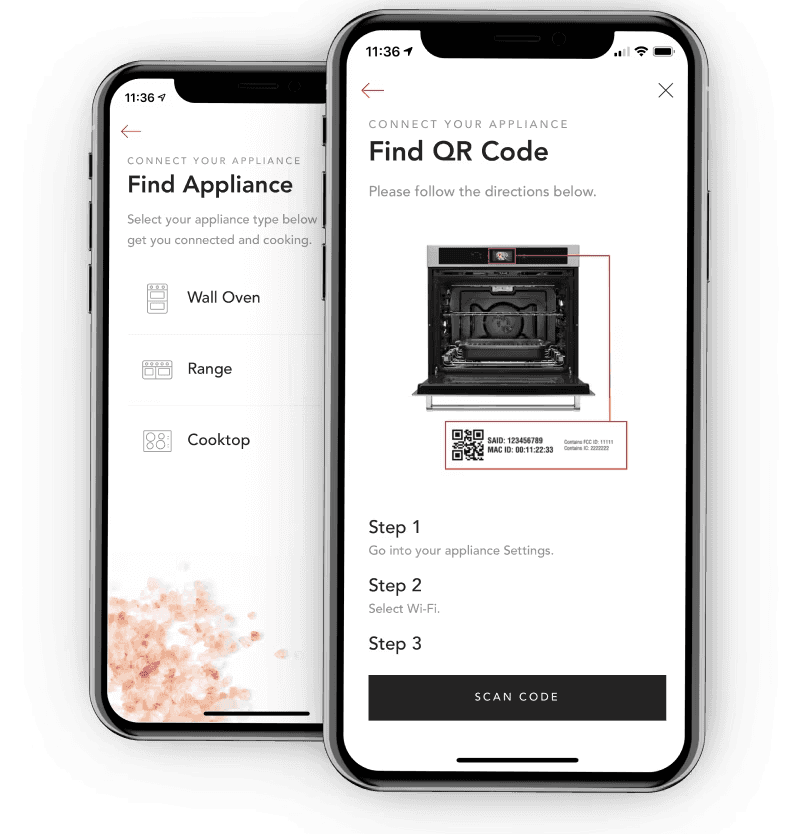
KitchenAid App
RESULTS
7 Mobile Apps Consolidated and Appliance Interface Complexity Reduced by 77%
The Whirlpool Design System delivered measurable results across design, engineering, and product operations. These improvements reduced duplication, accelerated delivery, and created a scalable foundation for connected product innovation across Whirlpool’s global ecosystem.
REFLECTION
What I Learned
A key lesson from this work is that design systems are not simply collections of components—They are organizational infrastructure.
Delivering the Whirlpool Design System required aligning tools, workflows, governance, and engineering implementation around a shared platform for building digital products.
With that foundation in place, Whirlpool now has the infrastructure to support faster product innovation, cross-brand consistency, and AI-assisted design workflows that accelerate experimentation and decision-making across the organization.